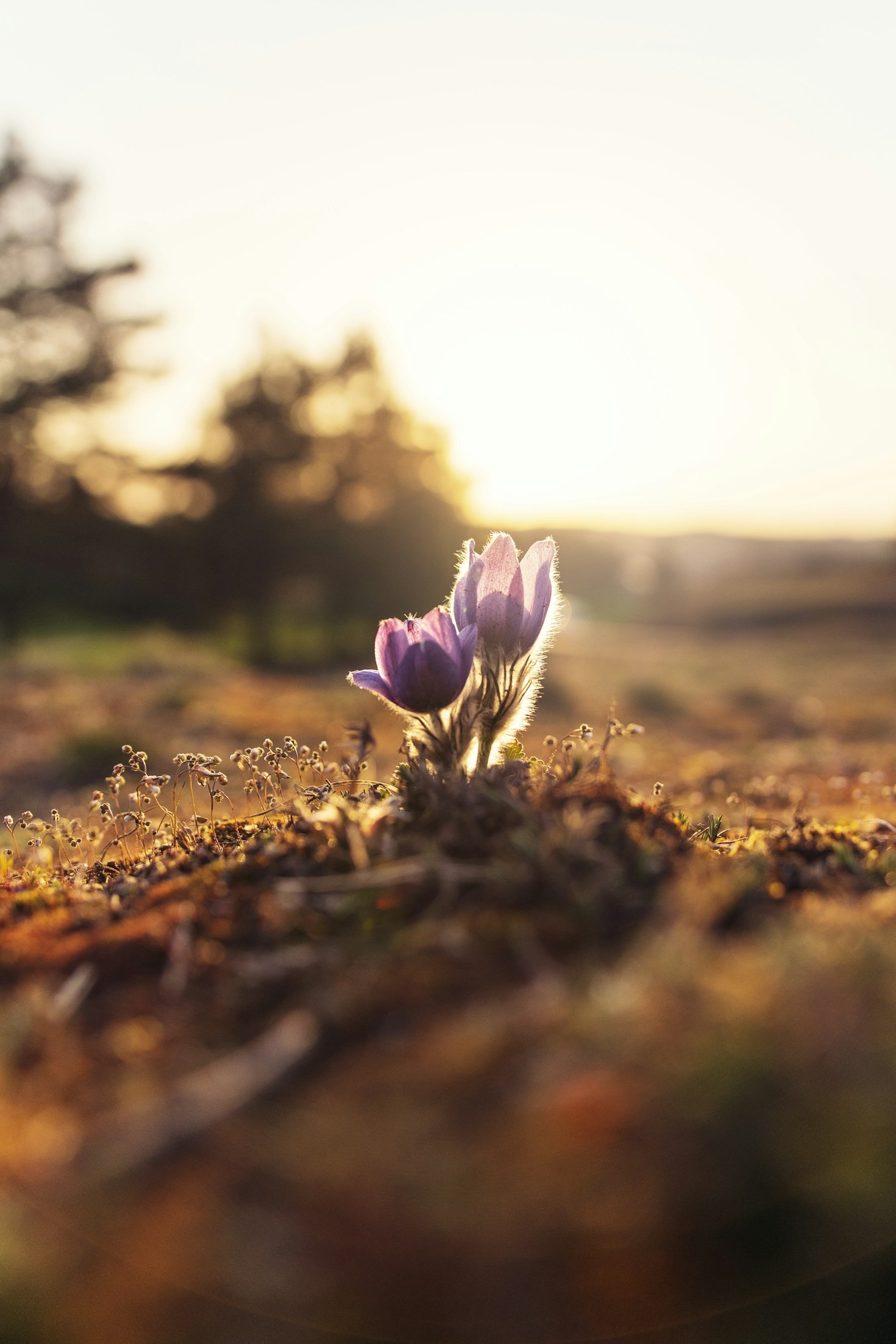
Every single day, we make thousands of decisions on what kind of seeds we want to water in our own lives. Anything that we focus on, that we allow to become the center of our attention, is what we are choosing to grow. If someone waters blueberries in their garden on a daily basis, they should not be surprised when they wake up one day with a blueberry bush ready for harvest. If a person waters rumination, compulsion, or despair during the day, they should not be surprised that those themes continue the next day unless they make a conscious decision to stop watering them and water something else. As neuroscientist Hagar Goldberg explains, “neural pathways are reinforced by the strengthening of specific synapses, while less functional ones are eliminated” (Goldberg, 2022).
It is important to understand that all of the seeds we can plant in our mental gardens, in essence, consist of two possibilities.
The first type of seed grows mental suffering. It consists of two possible elements: 1) desperately wanting things that we don’t have and 2) viciously hating on things that we do have. The first can be called clinging, or greed, and the second can be called aversion, or hate. Some examples of intentions built out of these things: resentment, despair, worry/rumination, procrastination, and so on.
The second type of seed grows anything besides clinging and aversion, but to give some examples, these are some intentions that are generally free of those things: Goodwill, friendliness, kindness, compassion, generosity, gratitude, adventure, curiosity, patience, joy, acceptance, peace, and so on.
These seeds are both to be looked at for what they are and not as any kind of moral judgment. If we were to hate on ourselves or someone else simply because they plant lots of hateful seeds, are we not doing the exact same thing? So then, it’s important to see that this is a simple act of discernment, a way to have non-judgmental wisdom towards the intentions of different seeds. The most simple way to split these seeds then is into two categories: seeds that are helpful, and seeds that are not so helpful. Helpful towards what? Towards living a life that we want to live!
As we walk along the paths of our lives, we will be given opportunities to plant different kinds of seeds. This is why it’s very important to pay attention to what is going on inside of us. Being aware of what kind of thoughts, emotions, and perceptions are coming up is a necessary first step towards having the kind of garden that you want to have. As talked about on the “What is the Practice?” page, a very easy way to cultivate this awareness is to mentally label the mental impressions that are coming up. When a worry thought appears, “Ah, I see you, worry.” When despair arises, “There’s despair again.” And so on.
The second step is to allow what is here to be here. This is already the planting of a new and helpful seed! It is the seed of allowance, of non-judgment, of peace and acceptance. Helpful mental discourse for this step can be something like, “Not a problem.” or “You’re ok there, anxiety.” or in the case of an uncertainty that is demanding an answer: “Not sure.”
Note the attitude of each of these responses. Thoughts are just like words: how they’re said is often much more important than what is literally being said. So carrying these responses with an attitude of genuine allowance and acceptance is so important. An easy way to accomplish this is with accompanying body language. Noticing tension in the body and relaxing it reinforces this mental shift that is taking place.
Finally, we always have the option of enriching our lives and spending time on intentions and values worth cultivating, such as joy, kindness, generosity, and so on. These are always attributes that are worth growing. So whenever one remembers to, they can plant seeds of gratitude, of generosity, of joy and genuine appreciation. One can even use unhelpful seeds as a reminder to plant and water helpful seeds! When seeing that one was about to go down a rumination spiral, one can even remember, “Wow, I’m so happy I don’t have to do that anymore! I’m free in the here and now!”
So, now that you understand that you can choose what you want to water in your life, the question remains: What will you grow today?
References
Goldberg, H. (2022). Growing brains, nurturing minds—Neuroscience as an educational tool to support students’ development as life-long learners. Brain Sciences, 12(12), 1622. https://doi.org/10.3390/brainsci12121622
Leave a Reply